
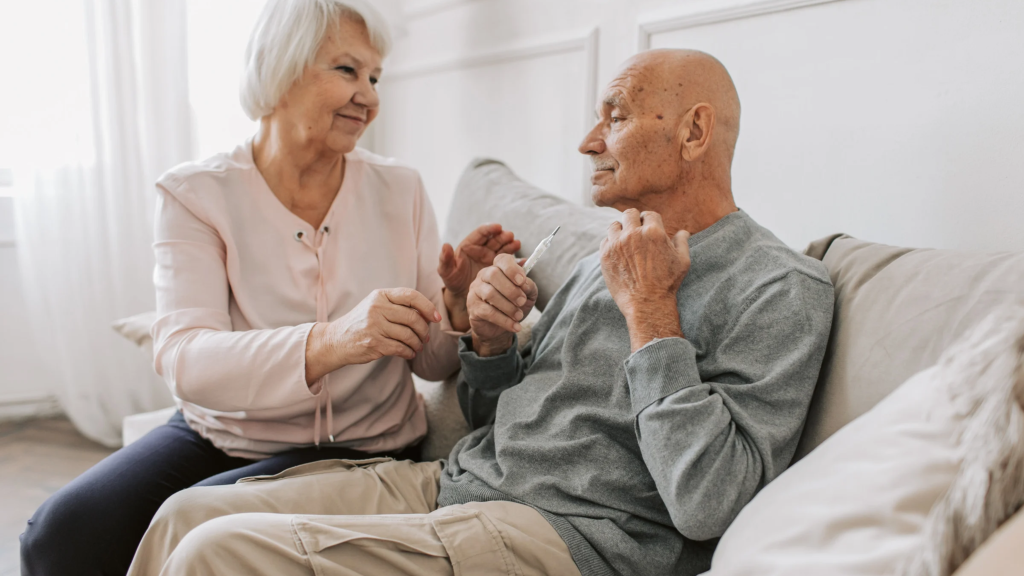
One of the biggest concerns couples face when planning for their later years is whether they will have to live separately if one partner needs more assistance than the other. Fortunately, many modern senior living communities recognize that relationships remain important at every stage of life. Depending on their health, care needs, and the community’s available services, couples may be able to live together while receiving different levels of support.
At Harbor Heritage, we help seniors and families explore comfortable living arrangements that respect individual needs while preserving meaningful connections. Understanding the available options can make the transition to assisted living feel less overwhelming and more like a positive step toward greater comfort and support.
Can Couples Live Together in Assisted Living?
Yes, in many situations, couples can live together in assisted living. Many communities offer accommodations designed for two people, allowing spouses or long-term partners to maintain their shared routines and enjoy their home environment together.
However, eligibility and available arrangements vary from one community to another. A couple may share a private apartment or suite while receiving personalized care based on each person’s needs. One partner may require considerable assistance with daily activities, while the other may remain relatively independent.
This flexibility can be especially valuable when couples want to stay connected without ignoring their individual health or safety requirements. Harbor Heritage understands that every couple has a different story, which is why choosing the right living arrangement should begin with an honest discussion about both partners’ needs.
Living Arrangements for Couples
Assisted living communities can provide several living options for couples. The best choice depends on the amount of assistance each person needs, the available accommodations, and the services provided by the community.
Some common arrangements include:
- A shared private apartment or suite for partners with different care requirements.
- Two nearby units within the same living community when separate spaces are preferred.
- A shared residence where one spouse receives more extensive care services.
- A combination of assisted living and memory care when partners require different types of support.
The goal is not simply to find a place for two people to stay. It is to create an environment where both individuals can feel comfortable, respected, and connected.
How Care Needs Affect Couples
A major consideration is the difference between each partner’s health and support requirements. Couples rarely age at exactly the same pace. One person may need help with medication, bathing, dressing, or mobility, while the other may still manage most daily tasks independently.
For example, one spouse may need only limited support, while the other may require regular nursing assistance or specialized senior care. A good care community should be able to understand these differences and develop an appropriate approach for each individual.
Harbor Heritage recognizes the importance of balancing personalized care with the emotional value of staying together. Rather than assuming both partners need identical services, families should ask how a community can accommodate two people with different levels of independence.
Assisted Living for Different Levels of Care
Not every couple has the same care journey. One partner might benefit from assisted living services, while the other may need more advanced support. In some situations, memory care may also become necessary if a senior develops cognitive challenges.
It is important to ask whether the community can support changing needs over time. A couple may initially require minimal assistance, but their situation could change as they age. Finding a community with a broad range of care services can reduce the stress of relocating repeatedly.
Depending on the circumstances, available services may include help with daily activities, medication management, personal care, meals, social activities, health care coordination, and other forms of support. More complex needs may require nursing care or skilled nursing through an appropriate provider or setting.
Assisted Living and the Independent Partner
When only one person needs significant support, couples often wonder whether the independent partner can remain involved without becoming responsible for providing care.
This is an important distinction. A partner should be able to enjoy companionship without feeling pressured to act as a full-time caregiver. Assisted living can provide professional support so family members and spouses can focus more on their relationship and less on managing everyday care tasks.
For an independent spouse, living in the same community can also provide access to activities, dining, social opportunities, and wellness programs. This can help both partners maintain a sense of purpose and belonging.
Harbor Heritage believes that senior living should support independence wherever possible while providing appropriate assistance when it is needed.
Senior Living Communities That Keep Couples Connected
Remaining connected is about more than sharing the same address. Couples often want to continue eating meals together, attending activities, welcoming visitors, celebrating milestones, and maintaining familiar routines.
A supportive living community can make these everyday experiences easier. When partners live close to one another, they may have more opportunities to spend meaningful time together without sacrificing access to professional care.
Families should consider whether the community encourages partner living and provides spaces where couples can socialize privately or with other residents. A welcoming community can also help seniors build new friendships while maintaining their most important relationships.
At Harbor Heritage, maintaining dignity, connection, and quality of life is an important part of creating a positive senior living experience.
What Families Should Ask About Care Services
Before selecting a community, couples and their families should ask detailed questions about accommodations, services, costs, and future care needs. The right questions can reveal whether a community is truly equipped to support both partners.
Consider asking:
- Can couples share an apartment or suite?
- Can each partner receive a different level of care?
- What happens if one person’s needs become more complex?
- Are memory care or nursing services available or coordinated?
- What activities and services are available for independent residents?
- Can couples dine and participate in activities together?
- How are changes in health or mobility handled?
- What costs are included, and what services have additional fees?
These conversations can help families make a decision based on practical needs rather than assumptions. They can also provide peace of mind that both individuals will receive appropriate attention.
Choosing the Right Living Community for Couples
Selecting a senior living community is a deeply personal decision. Couples should consider location, accommodations, care services, staff availability, activities, safety, and the overall atmosphere of the community.
It is also helpful to think beyond immediate needs. If one partner is independent today but may require additional support later, choosing a community with flexible services could make the future transition easier.
Families should visit potential communities, ask questions, observe how residents interact, and discuss what daily life may look like. The best choice should feel comfortable for both partners rather than being based solely on one person’s needs.
Harbor Heritage can be part of that decision-making process by helping families understand available senior living possibilities and consider arrangements that support comfort, dignity, and connection.
Making the Transition to Assisted Living Easier
Moving into assisted living can bring a mixture of emotions. Couples may feel hopeful about receiving support but also concerned about leaving a familiar home. Open communication can make the transition easier.
Talk together about personal preferences, daily routines, belongings, meals, hobbies, visitors, and the type of support each person wants. Giving both partners a voice in the decision can help them feel more comfortable with the change.
It is also important to remember that assisted living is not necessarily about giving up independence. Instead, it can provide additional support that allows seniors to spend less energy managing difficult daily tasks and more time enjoying relationships and meaningful experiences.
With the right environment, couples can continue building memories together while receiving the assistance they need.
Find Support That Keeps Couples Connected
Growing older may change the way couples live, but it does not have to change the importance of being together. When the right care setting is chosen, partners may be able to receive personalized support while continuing to share companionship, routines, and important moments.
Harbor Heritage is committed to helping seniors and families explore thoughtful senior living solutions that place comfort, dignity, and connection at the heart of care. If you are considering assisted living for yourself or a loved one, take the next step by learning more about available options and discussing your family’s unique needs.
The right care should not only support how you live, but also help you stay connected to the people who matter most. Reach out to Harbor Heritage today to explore a senior living option that supports both care and companionship.